
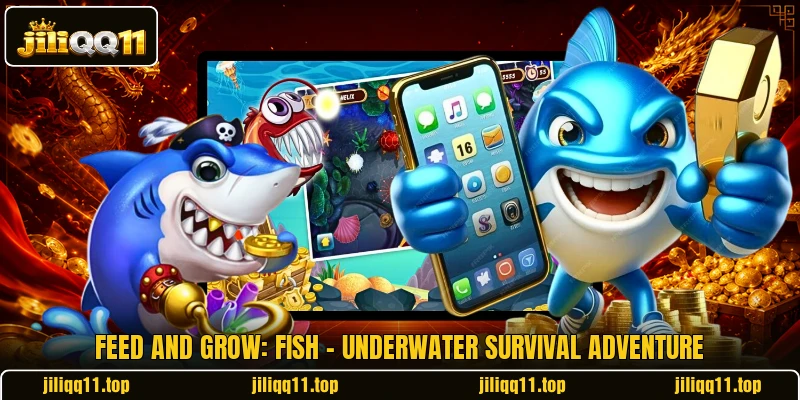
Feed and Grow: Fish places players in a competitive underwater world where eating, growing, and surviving decide every run. Available through jiliQQ11, this guide is written for Philippine members who want clear rules, controls, and practical tactics before playing.
A clear overview to Feed and Grow: Fish
Feed and Grow: Fish is a survival game built around eating, growth, and constant underwater threats. Players begin small, search nearby areas, and gain size by consuming suitable targets. Each session becomes harder as larger creatures patrol spaces and compete for food.
Progress depends on matching each fish’s strength with prey that offers safe value. Speed, bite power, health, and turning ability shape every encounter across the map. On jiliQQ11, members should check whether listed access costs appear in PHP or USD.
Feed and Grow: Fish keeps its main loop simple, although survival requires steady observation. Stronger species unlock broader options, while weaker creatures must depend on timing and distance. The game suits members who prefer direct action, visible progress, and short learning cycles.
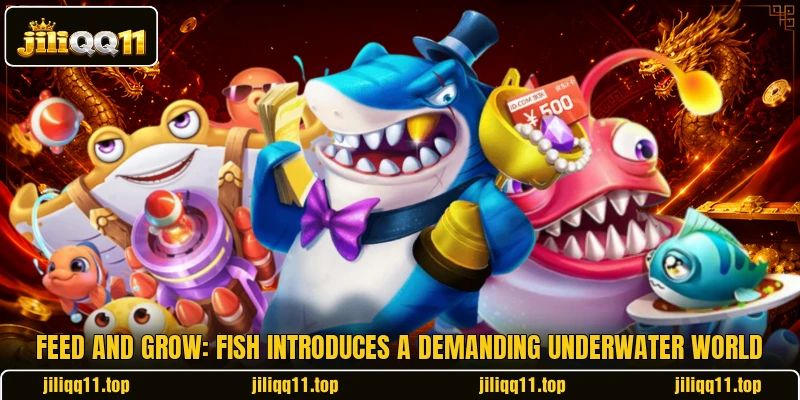
Core rules and mechanics for steady progression
Basic rules connect feeding, movement, combat, and growth into one continuous survival cycle. Players improve faster when every action follows the fish’s current size and surroundings.
How Feed and Grow: Fish works
In Feed and Grow: Fish, each run starts with a limited creature and nearby food sources. Eating grants experience, then level gains increase body size and fighting potential. Death normally ends that attempt, so early decisions affect the entire session.
Small prey offers safer progress, while aggressive enemies can cause immediate losses. A target becomes reasonable when its health, speed, and escape route appear manageable. Careful selection creates reliable growth without forcing unnecessary fights against stronger hunters.
Active feeding earns better results because hesitation lets rivals control valuable areas. Players should move between food zones instead of remaining near one crowded location. A steady route reduces interruptions and keeps experience gains consistent throughout the run.
Choosing a suitable fish
Available species differ in speed, damage, durability, turning, and feeding efficiency. Fast choices suit open water, whereas stronger bodies handle close attacks more comfortably. Beginners benefit from balanced statistics because extreme strengths often include serious weaknesses.
A smaller fish can develop quickly when common prey stays within easy reach. Larger options may start stronger but require heavier feeding to maintain useful growth. Selection should match the room layout rather than personal appearance preferences.
Before confirming a creature, players should compare cost, starting attributes, and likely opponents. Feed and Grow: Fish becomes clearer when each choice supports a specific plan. Testing several species reveals which movement pattern feels most accurate and controlled.
Moving attacking and escaping
Movement controls determine whether a fish reaches prey or escapes a dangerous chase. Short turns preserve speed, while sudden direction changes can break an attacker’s approach. Players should avoid trapping their creature against walls, rocks, or narrow corners.
Biting works best when the target stays exposed and cannot counter immediately. Repeated attacks may succeed, but reckless contact gives stronger enemies easy damage. A quick retreat after each strike creates space for another safer attempt.
Boosting can close distance or open an escape path during urgent moments. Energy should remain available before entering contested zones with several active predators. Controlled movement improves survival more consistently than constant rushing around the map.
Reading rooms and maps
Rooms may change available species, enemy density, map size, and progression speed. Some spaces support calm feeding, while others create frequent battles near valuable resources. Players should inspect the opening area before choosing a direction or target.
Landmarks help create repeatable routes between safe food zones and escape corridors. Coral formations, caves, and open channels can separate hunters from vulnerable creatures. Remembering these features reduces confusion during sudden chases or crowded encounters.
A room with fewer rivals may provide slower action but steadier development. Busy maps offer faster opportunities, although mistakes become more costly and frequent. Members should choose conditions that match their current control skill and preferred pace.

Practical tactics for building tougher underwater survival runs
Better tactics come from reading risk, prey behavior, and map pressure before committing. Feed and Grow: Fish gives patient players more chances to grow without losing useful momentum.
Target smaller prey first
Smaller prey usually provides the safest experience during the opening levels. Weak targets require fewer bites, shorten exposure, and reduce unexpected counterattacks. A sequence of easy catches builds strength before larger opponents become necessary.
Players should watch whether nearby hunters are approaching the same food area. A simple catch becomes dangerous when another predator can attack during feeding. Changing direction early protects progress and avoids fighting over limited resources.
Once growth slows, slightly stronger prey can replace low-value targets in the route. Feed and Grow: Fish supports gradual increases rather than sudden jumps toward major enemies. This measured approach keeps damage manageable while improving rewards across each level.
Use terrain for safer attacks
Terrain creates useful barriers that interrupt chases and limit an enemy’s turning angle. Rocks can block larger bodies, while narrow gaps may protect smaller species. Players should identify these locations before starting any risky attack nearby.
Caves provide temporary cover, yet entering without an exit plan can backfire. An opponent may wait outside, forcing the weaker creature into a poor position. Safe terrain always includes space for movement, recovery, and another escape.
Open water favors speed because obstacles cannot slow either side during pursuit. Strong swimmers can circle targets, attack from behind, and leave before retaliation. Slower fish should remain closer to cover where size matters less.
Upgrade through deliberate decisions
Growth changes attack range, health, movement, and the type of prey worth chasing. Players should reassess targets after each level instead of following an old pattern. New size advantages may open routes that were dangerous only moments earlier.
Large creatures still lose when they enter crowded fights without enough health. Feed and Grow: Fish punishes careless confidence through sudden attacks from several directions. Recovering before another battle protects earned progress and extends the run.
Consistent decisions produce better results than chasing every visible enemy or bonus. Members can compare several sessions, note successful routes, and refine species choices. Practical review turns repeated play into clearer timing, cleaner attacks, and safer growth.

Conclusion
Feed and Grow: Fish offers a direct survival loop based on feeding, movement, combat, and measured growth. jiliQQ11 gives Philippine members a place to review access details and prepare for each session. Register, download the available app or game, and begin your next underwater run with confidence.
